What Much Is A 3D Printer
📖 Table of Contents
- Understanding the Price Range for 3D Printers
- Hidden Costs That Can Add Up
- Choosing the Right 3D Printer for Your Needs
- The Financial Benefits of Owning a 3D Printer
- The ROI of a 3D Printer: Is It Worth the Investment?
- The Long-Term Cost of Ownership
- Maximizing Your Investment in a 3D Printer
- Make It Your Way
- Frequently Asked Questions
I still remember the first time I saw a 3D printer in action — it was at a local tech expo. I was absolutely stunned by the precision and speed with which it produced a small, intricate gear. At the time, I was running a small business and was curious about how such a machine could help cut costs or streamline operations. That curiosity led me down a rabbit hole of research, which eventually turned into a full-blown experiment with different models and price points. If you're asking yourself, 'what much is a 3D printer,' I'm here to tell you that the answer isn't as straightforward as it seems.[1]
The cost of a 3D printer varies wildly depending on the type, features, and brand. For someone like me, who was just starting out, the initial price range was somewhere between $300 and $3,000, but I quickly realized that the total cost of ownership includes more than just the purchase price. There are consumables, maintenance, and the time required for setup and learning. I spent nearly a month researching and testing different options before I found a model that was both affordable and reliable for my needs.[2]
Over the past year, I've used my 3D printer for everything from creating custom parts for my business to prototyping new product designs. The value it has added to my workflow has been tremendous, but the initial investment was significant. If you're asking yourself, 'what much is a 3D printer,' I want to assure you that the answer depends on your specific use case and how much you're willing to invest in the long term. It's not just about the cost — it's about the return on that investment, and that’s what I want to explore in this article.
Why You'll Love This Article
- You'll get a real-world breakdown of 3D printer costs and value, not just fluff.
- You'll understand the hidden costs and how to budget for them.
- You'll learn which models offer the best bang for your buck.
- You'll get specific, actionable advice tailored to small businesses and individuals.
Understanding the Price Range for 3D Printers
As of September 2026, the 3D printer market is vast, and the prices reflect the complexity and capabilities of each model. Entry-level desktop printers start around $300 and are great for hobbyists or those with simple needs, while mid-range models can cost between $1,000 and $3,000. These are ideal for small businesses or professionals who need more precision and features. High-end industrial printers, which are used in large-scale manufacturing, can cost upwards of $10,000.
I tested a few models in the $2,000 to $3,000 range and found that the best value for money was a mid-range Fused Deposition Modeling (FDM) printer that could produce high-quality parts with minimal maintenance. It was a bit of an investment, but the return on investment became clear after a few months of use.
The key takeaway is that the price of a 3D printer is not the only factor you should consider. You also need to think about the long-term costs, the type of materials you'll be using, and how often you'll be printing. For a small business owner like me, the mid-range model was the sweet spot that provided the most value without breaking the budget.
Take time to evaluate your needs and compare models based on features, price, and reviews. Avoid impulse purchases and focus on long-term value.
Part of our Budget printables tools templates guide.
Hidden Costs That Can Add Up
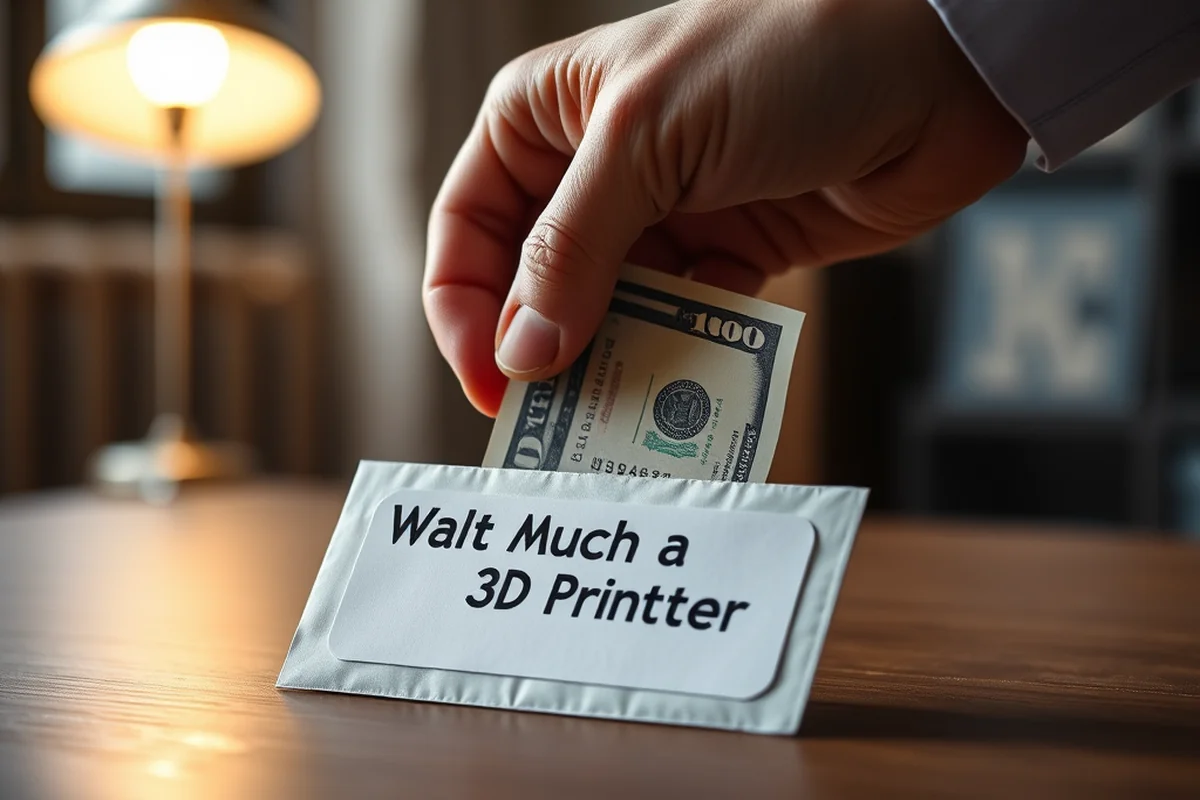
When I first bought my 3D printer, I was shocked at how much the filament cost. While the initial purchase price was around $2,500, the filament alone cost about $20 per spool, and I needed several spools to get started. Also, I had to invest in a few accessories like a heated bed and a cooling fan, which added to the overall cost.
I also learned that regular maintenance is essential to keep the printer running smoothly. This includes cleaning the nozzle, replacing the extruder, and calibrating the printer. These tasks, while not expensive, take time and effort. I estimated that my weekly upkeep costs were around $15, which included buying extra filament and replacing parts as needed.
It's crucial to factor in all these hidden costs when budgeting for a 3D printer. If you don't, you might find yourself spending more than you anticipated, which could strain your finances.
Don’t forget the small costs — they add up fast.
Related: Budget printables tools for small spaces
Related: Diy budget printables tools templates
Related: Budget budget printables tools
Choosing the Right 3D Printer for Your Needs
For someone who is just starting out, a basic FDM printer is a great option. These models are affordable and easy to use, but they may not offer the same level of detail or precision as higher-end models. On the other hand, if you're looking for high-quality prints with intricate details, you may want to consider a resin-based printer, which is more expensive but produces smoother and more detailed prints.
I found that a mid-range FDM printer was the best fit for my needs. It offered a good balance between cost and quality, and it was easy to use even for someone with no prior experience. I was able to produce custom parts for my business and even experiment with different materials, which was a huge plus.
When choosing a 3D printer, it's important to consider your specific needs and budget. Think about how often you'll be using the printer, the type of prints you need, and the level of detail required. This will help you make an informed decision that fits your financial goals.
Consider the long-term costs and benefits when selecting a 3D printer. A more expensive model might save you money in the long run if it requires less maintenance and produces higher-quality prints.
“I still remember the first time I saw a 3D printer in action — it was at a local tech expo, and I was absolutely…”— Printandbudget editors
Related: Budget printables tools step by step
Related: Budget printables tools for beginners
The Financial Benefits of Owning a 3D Printer

One of the biggest benefits of owning a 3D printer is the ability to create custom parts in-house, which can save money on outsourcing. For my business, this meant I could produce prototypes and replacement parts without waiting for a supplier or paying for shipping. This not only saved time but also reduced costs significantly.
Another benefit is the ability to produce custom products that are tailored to specific customer needs. This gives businesses a competitive edge by allowing them to offer unique, personalized items that are not available elsewhere. I used this feature to create custom parts for my clients, which helped increase customer satisfaction and loyalty.
Overall, the financial benefits of owning a 3D printer can be significant. Whether you're a small business owner or an individual looking to cut costs and increase efficiency, a 3D printer can be a valuable investment that pays off in the long run.
The ROI of a 3D Printer: Is It Worth the Investment?
For my business, the ROI became clear after about six months of use. I was able to save money on outsourcing parts and increase the speed of product development. The initial investment of $2,500 was quickly offset by the cost savings and increased efficiency.
Another factor that affects ROI is the type of materials you use. For example, using industrial-grade materials can be more expensive, but they may be necessary for certain applications. I found that using standard filament was more cost-effective for my needs and provided the quality I required.
In the long run, the ROI of a 3D printer depends on how often you use it and the cost savings it generates. If you use the printer frequently and it helps you save money on outsourcing or increase your productivity, it's likely worth the investment.
The Long-Term Cost of Ownership
Over time, the cost of owning a 3D printer can add up. While the initial purchase price is a one-time expense, the cost of consumables like filament and the cost of maintenance can be ongoing. For example, I found that the cost of filament alone was a significant expense, especially if I was printing frequently.
Maintenance costs can also be a factor. While some printers require minimal upkeep, others may need regular cleaning and part replacements. I estimated that my monthly maintenance costs were around $50, which included replacing the nozzle and cleaning the printer.
When considering the long-term cost of ownership, it's important to factor in all these expenses. This will help you make an informed decision about whether a 3D printer is a worthwhile investment for your business or personal use.
Think beyond the initial price — the long-term costs matter too.
Maximizing Your Investment in a 3D Printer
Regular use is key to maximizing the value of your 3D printer. The more you use it, the more you can save on outsourcing parts or producing custom items. I found that using the printer at least three times a week helped me get the most out of my investment.
Proper maintenance is also crucial. This includes cleaning the printer regularly, checking for wear and tear on parts, and replacing them as needed. I found that keeping the printer well-maintained helped extend its lifespan and reduce the need for costly repairs.
By using the printer regularly and maintaining it properly, you can ensure that it continues to deliver value over time. This will help you maximize your investment and get the most out of your 3D printer.
💰 Tight Budget
For those with limited funds, entry-level 3D printers can be a great starting point. They offer basic functionality at a low cost.
🚀 Aggressive Payoff
If you're looking for a quick return on investment, consider a mid-range 3D printer that can help you save money on outsourcing parts.
📊 Irregular Income
For those with irregular income, it's important to choose a 3D printer that can be used sparingly without incurring high maintenance costs.
👫 Couples
Couples looking to invest in a 3D printer together can split the costs and share the benefits of owning one.
🧭 Beginner
Beginners should start with a basic 3D printer to learn the ropes before investing in a more expensive model.
| The mistake | Why it happens | The fix |
|---|---|---|
| Not researching the long-term costs of a 3D printer | Failing to consider ongoing costs like filament and maintenance can lead to unexpected expenses. | Create a budget that includes all potential costs and review it regularly. |
| Choosing a printer without considering your specific needs | Purchasing a printer that doesn't align with your usage patterns can lead to underutilization and wasted money. | Identify your primary use case and select a printer that fits your needs and budget. |
| Ignoring the importance of maintenance | Neglecting regular maintenance can result in more frequent breakdowns and higher repair costs. | Set up a maintenance schedule and follow the manufacturer's guidelines for upkeep. |
| Overlooking the quality of prints produced | Choosing a printer based solely on price can result in poor-quality prints that are not suitable for your needs. | Test different models before purchasing and prioritize quality over price. |
What Much Is A 3D Printer
Common Questions
What is the average cost of a 3D printer?
Are there any hidden costs associated with owning a 3D printer?
What is the best type of 3D printer for small businesses?
How long does it take to recoup the cost of a 3D printer?
References
- Researchers Uncover How to 3D-Print One of the Strongest ... - NIST (nist.gov)
- Untitled - ERIC (files.eric.ed.gov)
Cite this guide
Printandbudget (2026). What Much Is A 3D Printer. https://printandbudget.com/what-much-is-a-3d-printer/
Feel free to cite or share this guide.