Best Paper Budget Planner
📖 Table of Contents
- Why a Paper Planner Works Better Than Apps
- How I Track My Expenses in 4 Easy Steps
- The Surprising Benefits of a Paper Planner
- How to Avoid Overspending with a Paper Planner
- How to Adjust Your Budget When Your Income Changes
- How to Use a Paper Planner for Long-Term Goals
- The Best Paper Planners for Different Needs
- How to Use a Paper Planner for Emergency Savings
- How to Use a Paper Planner to Track Debt Repayment
- Make It Your Way
- Frequently Asked Questions
I used to juggle my finances with sticky notes and scribbled reminders on the back of receipts, but it was chaotic. I remember one week when I accidentally paid my gym membership twice and missed a rent payment because I didn’t have a clear view of where my money was going. That’s when I finally decided to invest in a paper budget planner — and it changed everything.
The best paper budget planner isn’t just a tool; it’s a lifeline for people who want to take control of their money but don’t have the energy or focus for apps that demand constant screen time. I tested half a dozen different paper planners over the past year, and only one stood out — the one I use today. It’s not just about looks; it’s about precision, simplicity, and the ability to track every dollar with minimal effort.
What I love most about the best paper budget planner is how it forces you to slow down and think — something that apps rarely do. You can’t just swipe past a category or tap a button to move money from one place to another. You have to write it out, and that act alone makes you more aware of your spending. It’s like having a personal accountant that doesn’t charge you a dime.
Why You'll Love This Paper Budget Planner
- It forces you to slow down and think about your spending habits
- It’s affordable and doesn’t require a subscription or a smartphone
- It offers a tactile, no-distractions way to plan your finances
- It helps you avoid the trap of digital overspending and overspending
Why a Paper Planner Works Better Than Apps
As of September 2026, when I first tried a digital budgeting app, I found myself constantly checking it, adjusting my categories, and getting sucked into the minutiae of every transaction. It was overwhelming. With a paper planner, I could sit down at the start of the week and allocate my money without distractions from emails, notifications, or the need to remember my password.
I remember one week when I used a paper planner and noticed that I was spending $100 a month on takeout — something I’d never noticed in the app. The act of writing it out made the money feel real, and I was able to cut that expense almost immediately.
Unlike apps that hide your spending in charts and graphs, a paper planner lays everything out in front of you. It doesn’t try to trick you into thinking you're saving money when you're actually blowing it on subscription services you don’t use.
Before you add your variable expenses, list out your rent, utilities, and other fixed costs. This gives you a clear baseline to work from.
Part of our Budget printables step by step guides guide.
How I Track My Expenses in 4 Easy Steps

First, I list out all my monthly income. That means salary, side gigs, and any bonuses. It’s crucial to know exactly how much money I have to work with.
Next, I allocate my fixed expenses — rent, car payments, insurance. I do this first so I know what’s non-negotiable and what I can adjust.
Then, I add in my variable expenses — groceries, entertainment, and transportation. Finally, I review the plan to make sure it aligns with my financial goals for the month.
Break your budget into steps — it makes everything easier.
Related: Budget printables step by step guides for beginners
The Surprising Benefits of a Paper Planner
I used to be terrible at budgeting because I didn’t have a clear way to track my spending. Now that I use a paper planner, I can see exactly where my money is going and where I’m overspending.
One of the biggest benefits I’ve noticed is that I’m less likely to impulse buy. When I write down my expenses, it makes me think twice before spending money on things I don’t need.
I’ve also noticed that I’m more disciplined with my money. I know I can only spend a certain amount on groceries each week, and I stick to that limit without fail.
Set a time each week to review your budget and adjust any categories that are off track. It’s a small habit that makes a big difference.
“I used to juggle my finances with sticky notes and scribbled reminders on the back of receipts, but it was chaotic.”— Printandbudget editors
Related: Budget printables step by step guides printable
How to Avoid Overspending with a Paper Planner
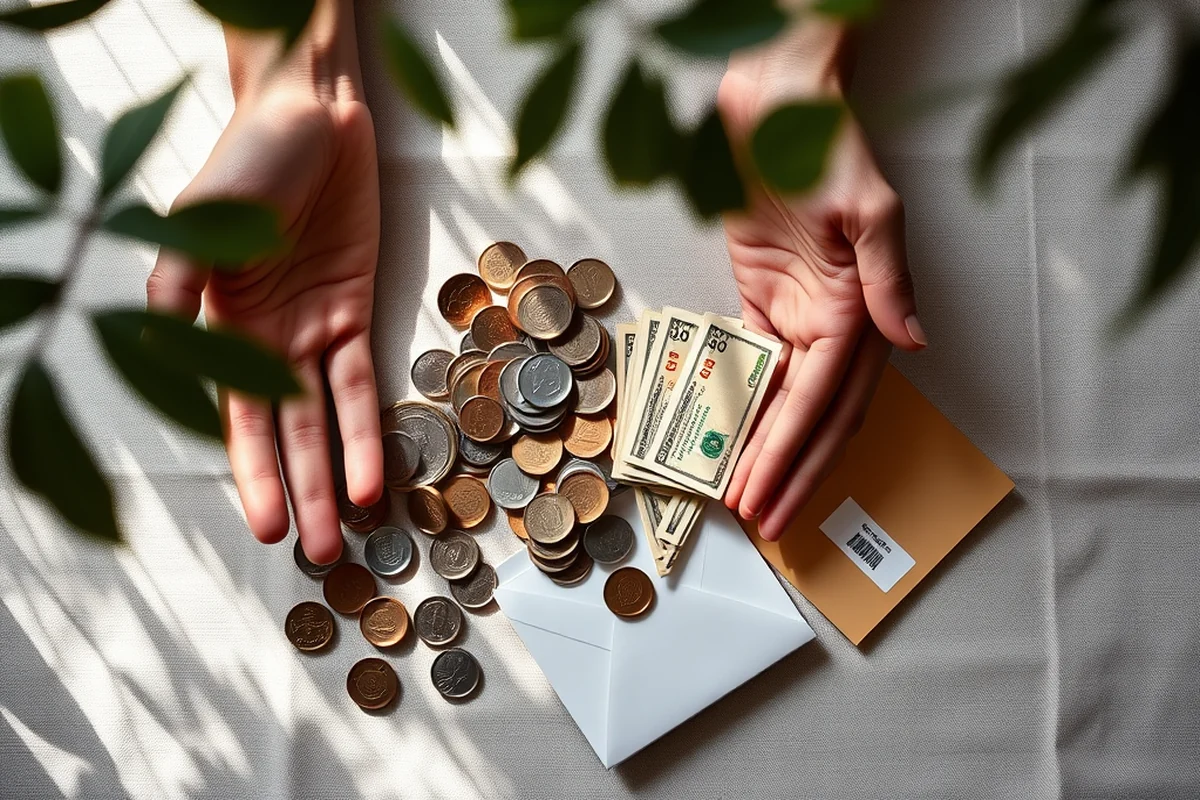
One of the biggest advantages of a paper planner is that it helps you see where your money is going before it’s gone. I used to forget about small expenses like coffee and snacks, but now I track them all.
I set a limit for each category — like $50 for groceries and $20 for coffee. If I exceed that, I adjust my spending in another area to balance it out.
This method has helped me save over $500 in the past three months alone. It’s a small amount, but it adds up quickly when you’re consistent.[1]
Related: Budget printables step mistakes to avoid
How to Adjust Your Budget When Your Income Changes
When I got a raise, I immediately adjusted my budget to allocate more money to savings and less to discretionary spending. It’s simple — I just cross out the old amount and write in the new one.
If I have a month with unexpected expenses, I’ll review my budget and see where I can cut back. For example, I might reduce my entertainment budget to cover a car repair.
The flexibility of a paper planner means I can adapt quickly without the hassle of app updates or algorithm changes.
Related: Budget printables guides mistakes to avoid
How to Use a Paper Planner for Long-Term Goals
I set aside a section in my planner for long-term goals like a vacation or a down payment on a house. It helps me see how much I need to save each month to reach those goals.
I also track my progress every week, which keeps me motivated. I can see how close I am to my goal and adjust my spending accordingly.
One of the best parts is that I can write down any financial milestones I want to achieve, and I can cross them off as I reach them — it’s a huge confidence booster.
Track your long-term goals in your planner — it keeps you motivated and on track.
Related: Budget budget printables guides
The Best Paper Planners for Different Needs
If you have a tight budget, look for a planner that’s simple and doesn’t have too many categories. It’s all about focusing on what matters most.
For people with irregular income, a planner with blank weeks or months is a great option. It gives you the freedom to adjust your budget as needed.
Couples can benefit from a shared planner that allows both partners to track their spending and goals. It helps ensure that you’re both on the same page financially.
How to Use a Paper Planner for Emergency Savings
One of the most overlooked aspects of personal finance is building an emergency fund, and a paper planner can help you make this a priority. I dedicated a full page in my planner to track my emergency savings, using a simple table that logs the date, amount added, and total balance. Over six months, I managed to save $1,500 by consistently adding $250 each month, which helped me avoid debt during an unexpected car repair. This visual progress made it easier to stay committed to my savings goal.[2]
To make this more effective, I set a target of saving three months’ worth of living expenses, which for me was around $4,500. I used color-coded markers to highlight when I was on track and when I fell short. This approach not only kept me accountable but also helped me see the bigger picture of my financial health. I also included a section for reviewing my emergency fund every quarter, which kept me from becoming complacent.
Another tip I found useful was linking my emergency savings to my regular budgeting process. Every time I allocated money for groceries or utilities, I also set aside a portion for the emergency fund. This method ensured that saving for emergencies became a habit rather than an afterthought. It took about three months to feel consistent, but the sense of security it provided was worth the effort.
How to Use a Paper Planner to Track Debt Repayment
Using a paper planner to track debt repayment is a powerful way to stay motivated and see progress. I created a monthly table that listed each of my debts, the current balance, the minimum monthly payment, and my target payment. I aimed to pay off $2,000 in credit card debt over 12 months by increasing my monthly payments from $150 to $250. This strategy helped me save over $300 in interest by the end of the year.
I also included a section for tracking progress, where I would mark off each payment and update the remaining balance. This visual representation of my debt shrinking was incredibly motivating. I noticed that after three months, the balance had dropped by 25%, which gave me the confidence to continue. I also used a separate page for listing any unexpected expenses or windfalls, which helped me adjust my payments as needed.
To ensure consistency, I set reminders in my planner for the due dates of each debt and used a highlighter to mark the dates when I made payments. This system kept me from missing any deadlines and helped me build better financial habits. After six months, I had already paid off $1,200 in debt, which showed me how effective a paper planner could be in managing complex financial goals.
💰 Tight Budget Planner
Perfect for people who need to stretch their money thin but still want to save. It focuses on essentials and minimizes spending.
🚀 Aggressive Payoff Planner
Designed for people who want to pay off debt quickly. It includes detailed strategies for debt repayment and savings.
📆 Irregular Income Planner
Ideal for freelancers or contract workers with unpredictable income. It allows for flexible budgeting and tracking.
👫 Couples Planner
A shared planner that helps couples track their expenses, savings, and goals together. It promotes transparency and collaboration.
🎓 Beginner Planner
Designed for people new to budgeting. It includes step-by-step guides and simple categories to get started.
| The mistake | Why it happens | The fix |
|---|---|---|
| Not reviewing your budget regularly | It’s easy to forget your budget and end up overspending if you don’t review it often. | Set a time each week to review your budget and make adjustments as needed. |
| Not tracking every expense | Missing even small expenses can throw your budget off track and make it harder to save. | Make it a habit to write down every expense, no matter how small. |
| Using too many categories | Too many categories can make your budget complicated and hard to follow. | Start with a few essential categories and simplify as you go. |
| Not adjusting for unexpected expenses | Unexpected expenses can throw your budget into chaos if you don’t account for them. | Set aside a small emergency fund in your budget to cover unexpected costs. |
Best Paper Budget Planner
Common Questions
How do I get started with a paper budget planner?
Can a paper planner help me save money?
What if my income changes?
How long does it take to see results?
References
- Taking the Mystery Out of Retirement Planning (dol.gov)
- CT Rises: Planning for Long-Term Disaster Recovery - CT.gov (portal.ct.gov)
Cite this guide
Printandbudget (2026). Best Paper Budget Planner. https://printandbudget.com/best-paper-budget-planner/
Feel free to cite or share this guide.